

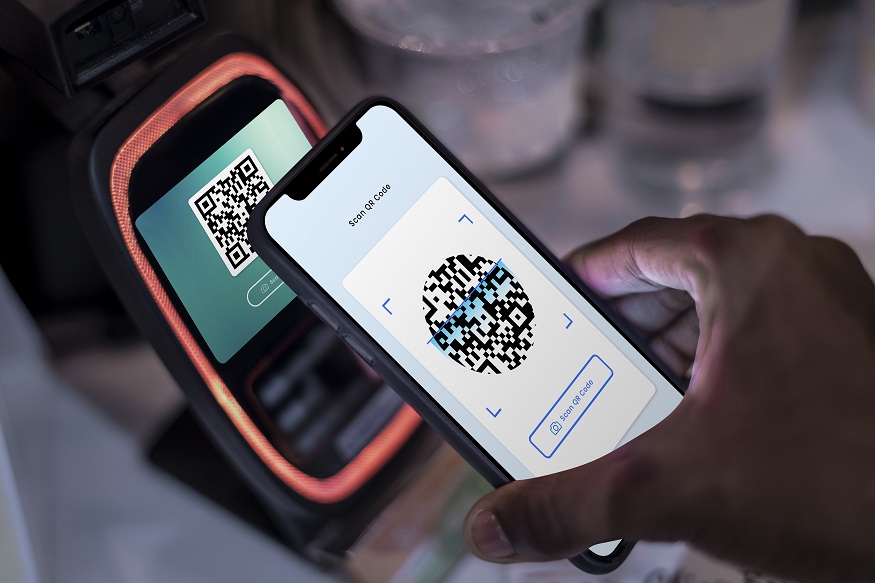
In today’s fast-paced world, where everything from groceries to education is becoming digitised, Indian households are increasingly embracing the convenience of full-stack digital management for their bill payments. The migration from offline bills to a digital ecosystem is more than just a trend—it’s a transformative movement that reflects the evolving lifestyle and preferences of Indian consumers. This article explores the drivers behind this shift, the challenges households face, and the profound benefits of embracing online bill payment systems.
The Shift Towards Digital
In bygone days, managing bills involved a cumbersome process of sorting through physical paperwork, standing in long queues, and dealing with the inefficiencies of traditional systems. However, with the advent of the digital age and the Indian government’s push towards a “Digital India,” this scenario is rapidly changing. According to a recent report by the Reserve Bank of India, digital transactions in the country have witnessed a 55% increase in the past year alone.
Understanding Bill Payments in a Digital Age
So, what exactly is driving Indian households to switch to digital bill payments? The convenience factor tops the list. Imagine being able to settle your electricity or water bill with just a few taps on your smartphone. No more rushing to payment centres or worrying about having the exact change. This seamless experience is a major impetus for the adoption of digital solutions.
The Advantages of Online Bill Payment
- Convenience and Accessibility
- One of the most appealing aspects of online bill payment is the sheer convenience it offers. With a plethora of apps and platforms available, consumers can make payments anytime and anywhere. Whether you are travelling or caught up in the hustle and bustle of daily life, managing your finances doesn’t have to take a backseat.
- Enhanced Security
- Security can often be a concern with online transactions. However, most online bill payment platforms today offer robust security measures, including two-factor authentication and end-to-end encryption. These measures ensure that your financial information remains secure, significantly reducing the risk of fraud.
- Cost Efficiency
- Digital payment services often come with lower transaction costs compared to traditional methods. Eliminating the need for postage, paper, or branch visits can result in substantial savings over time. Moreover, many platforms offer rewards or cashback on transactions, which can be an attractive proposition for cost-conscious consumers.
Challenges in the Transition
While the advantages are clear, the transition from offline to online bill payments is not without its challenges. The digital divide in India is a significant barrier. Despite rapid technological advancements, a considerable portion of the population still lacks access to the internet or digital literacy. To address this, the government and private sector must work together to improve digital infrastructure and literacy across the country.
Overcoming Resistance to Change
Cultural resistance can also hinder the widespread adoption of digital payments. Traditional mindsets and habits are hard to change, and many still prefer the tangibility of cash transactions. However, as digital awareness increases, these barriers are slowly diminishing.
The Role of Fintech in Digital Payment Solutions
The rise of fintech companies in India has been pivotal in driving the transition towards online bill payments. Companies like Paytm, PhonePe, Google Pay, and BharatPe have revolutionised the way Indians perceive and perform financial transactions. These platforms not only offer bill payment services but also integrate other financial services, providing a comprehensive digital management solution.
Innovation and Competition
The competitive nature of the fintech industry continues to spur innovation. Features like automatic bill reminders, budgeting tools, and the ability to track expenses in real-time add significant value to consumers, making digital payment platforms indispensable.
Government Initiatives Supporting Digital Payments
The Indian government has been proactive in promoting digital transactions. Initiatives such as the Unified Payments Interface (UPI) and the “Digital India” campaign have laid a strong foundation for the digital economy. UPI, in particular, has become a game-changer, allowing seamless and instant transactions across different bank accounts using a single platform.
Encouraging Digital Literacy
Moreover, efforts to enhance digital literacy, especially in rural areas, are crucial. Collaborations between the government, NGOs, and private companies are helping bridge the gap, enabling more people to partake in the digital revolution.
The Future of Bill Payments in India
As technology continues to evolve, the future of bill payments in India looks promising. The integration of artificial intelligence and machine learning into digital payment platforms is expected to enhance user experiences further. Personalised financial advice, predictive analytics for bill forecasting, and voice-activated payments are some of the innovations that could redefine how we manage our finances.
A Vision of a Cashless Economy
While the vision of a completely cashless economy may still be on the horizon, the shift towards digital bill payments is undoubtedly a step in the right direction. With the ongoing improvements in digital infrastructure and increasing consumer awareness, it’s only a matter of time before digital payments become the norm.
Conclusion
The transition from offline bills to full-stack digital management is a testament to the dynamism of Indian households and their willingness to embrace change. While challenges remain, the benefits of convenience, security, and cost savings make the shift towards online bill payment an attractive proposition. As fintech innovation and government initiatives continue to advance, the digital ecosystem will only become more robust, accessible, and user-friendly.
For Indian households, adopting digital bill payment systems is not just about staying current with technological trends; it’s about creating a more efficient, hassle-free financial management system that supports a modern lifestyle. Embracing this change can set the stage for a brighter, more digitally inclusive future for everyone.
So, are you ready to make the switch and join the digital revolution in managing your bills? The journey towards a seamless and savvy financial future is just a click away.